

The pharmaceutical landscape is currently experiencing notable shifts, marked by significant developments in global health initiatives and regulatory practices. A crucial collaboration has been solidified between the Trump administration, Gilead Sciences, and The Global Fund, aiming to broaden access to an innovative HIV prevention medication across numerous low- and middle-income nations. Simultaneously, a pivotal change in transparency is underway at the U.S. Food and Drug Administration (FDA), which has committed to publicly releasing drug rejection letters. This move is expected to shed more light on the previously opaque drug approval process, offering unprecedented insight to the public and industry stakeholders alike. These combined advancements underscore a dynamic period for the pharmaceutical industry, focusing on both expanding global health access and enhancing regulatory openness.
The joint effort to disseminate a vital HIV prevention drug to populations in need, particularly in underserved regions, signifies a major step forward in the ongoing battle against HIV/AIDS. This initiative, while previously facing uncertainties due to potential foreign aid reductions, has now received official confirmation, signaling a renewed commitment to global health equity. The financial and logistical framework involves a partnership where Gilead Sciences will supply the drug at cost, with support from The Global Fund to Fight AIDS, Tuberculosis and Malaria. This collaboration is especially significant given the historical challenges and budget constraints faced by global health programs, emphasizing the importance of sustained funding and multi-sectoral cooperation in achieving widespread public health goals.
In parallel, the FDA's decision to proactively release Complete Response Letters (CRLs) marks a substantial departure from its previous practices. Traditionally, these rejection letters were kept confidential unless a drug eventually gained approval, or their disclosure was left to the discretion of drug manufacturers. By making these letters public shortly after they are issued, the FDA is fostering an environment of increased accountability and transparency within the drug development pipeline. This newfound openness allows for a more comprehensive understanding of the reasons behind drug rejections, ranging from efficacy and safety concerns to manufacturing quality issues. Such insights are invaluable for researchers, drug developers, and public health advocates, as they can help inform future research directions, improve drug submission strategies, and ultimately, accelerate the availability of safe and effective medicines.
The public release of rejection letters, including those previously undisclosed from 2024 and 2025 involving companies like Replimmune and Ultragenyx, represents a deliberate move to enhance regulatory clarity. This policy ensures that the public and the industry are better informed about the FDA's standards and decision-making processes, even for applications that are withdrawn or abandoned. By providing a clear record of why certain drugs do not meet regulatory standards, the FDA contributes to a more informed pharmaceutical ecosystem, potentially streamlining future drug development by highlighting common pitfalls and areas requiring greater attention. This enhanced transparency is a win for all stakeholders, as it promotes a more efficient and rigorous approach to bringing new therapies to market.
These developments collectively highlight an evolving landscape in the pharmaceutical industry, emphasizing both expanded access to life-saving treatments and increased regulatory transparency. The joint efforts to combat HIV globally, alongside the FDA's commitment to openly share rejection reasons, reflect a growing global push towards more accountable and effective health care solutions. These initiatives are poised to significantly influence future drug development, distribution, and policy, ultimately benefiting patients worldwide.

Beyoncé’s 11 Most Sensational Beauty Looks
Beyoncé Knowles-Carter is a pop icon who has consistently set new standards in her music, performan
Beauty Editors' Top Picks: July 2025 Must-Haves

Top NYFW Street Style Stars Just Co-Signed This ‘Controversial’ Manicure
The article highlights the key beauty trends seen on the streets of New York Fashion Week for the Sp
Best Footwear Trends at Paris Fashion Week Men’s SS25
The article discusses the best footwear trends spotted at Paris Fashion Week Men's SS25. Sneakers re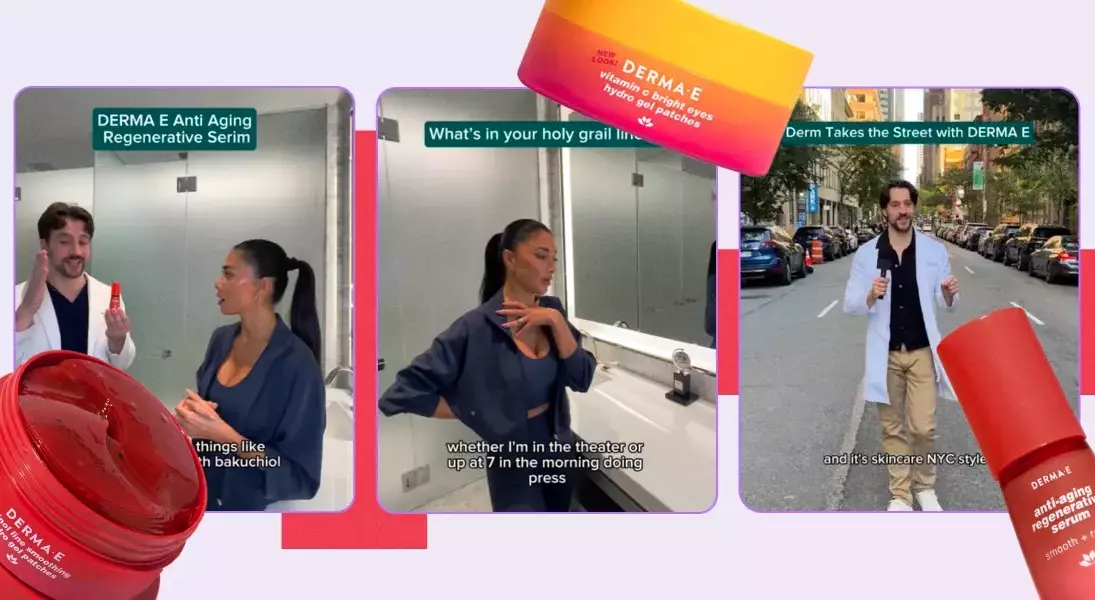
Derma-E's TikTok Strategy: Engaging a Younger Demographic with Star Power

Josh O'Connor's Thriving Career and Upcoming Projects

Collins Responds to Gallagher's Decades-Long 'Antichrist' Claims

Ella Langley's 'Choosin' Texas' Ascends Charts, Approaching Record-Breaking Status

Netflix Secures Exclusive Deal with Popular YouTube Series 'Good Mythical Morning'

Tubi Appoints Shannon Olivas to Head Communications and Publicity

World Cup Semifinal: Spain vs. France - Live Stream Details
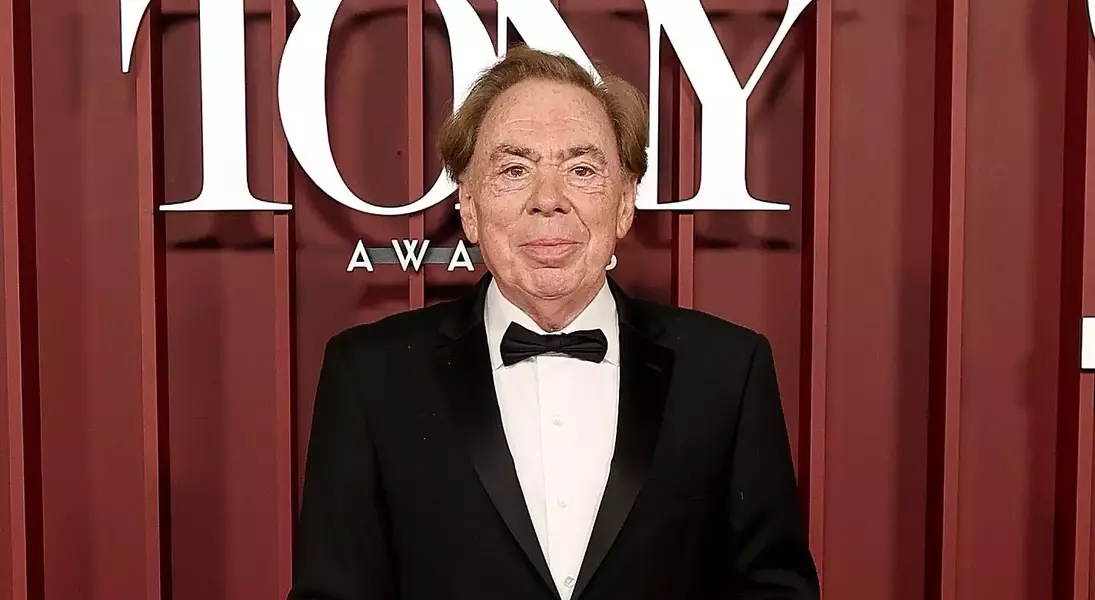
Andrew Lloyd Webber Addresses Broadway's Financial Straits After 'Cats' Early Closure

Apreo Secures 0 Million to Advance Emphysema Treatment Device to Pivotal Trial

Medicaid Work Requirements and the Future of Health Coverage

Cruciferous Vegetables Outperform Root Vegetables in Blood Sugar Control

The Political Dynamics of Medicare Drug Price Negotiation

Exploring Culinary Techniques: From Hari Chutney Spaghetti to Gourmet Sandwiches

Rams' Strategic Shift: Rethinking Offensive Formations for 2026 Season

Inter Miami strengthens defense with Fricio Caicedo loan

Cavaliers Leading Contenders for LeBron James' Return


