
The integration of artificial intelligence is dramatically transforming the intellectual property domain within biotechnology. This shift introduces intricate challenges concerning who or what qualifies as an inventor, the criteria for patent eligibility, and the redefinition of what constitutes an 'obvious' invention in a world augmented by advanced algorithms. Legal professionals are keenly observing these developments, foreseeing a wave of future court cases that will be crucial in establishing new precedents and guidelines in this rapidly evolving sector.
In a recent development highlighting the intersection of AI and intellectual property, the conversation around biotech patents is gaining significant momentum. Historically, the U.S. patent office, once requiring physical models for inventions, transitioned to diagrams by 1880 due to the sheer volume. Now, over a century later, artificial intelligence is instigating an even more profound paradigm shift. Industry expert DeAnn Smith, a biotech patent lawyer at Foley Hoag, observes that AI's powerful predictive capabilities are prompting a reevaluation of established patent laws. Key among the questions being debated are whether AI systems themselves can be recognized as inventors, thereby holding patent rights, and how the concept of 'a person skilled in the art'—a crucial benchmark in patent law for determining an invention's obviousness—will be reinterpreted. This discussion is not merely academic; it is expected to lead to substantial litigation, which will ultimately shape the legal framework for AI-driven innovations in drug discovery and development. The core of the issue lies in defining inventorship and ensuring that patent protections keep pace with technological advancements, thereby encouraging continued innovation while maintaining fair legal standards.
The rapid advancement of artificial intelligence presents a compelling challenge to traditional intellectual property frameworks. This evolution necessitates a proactive approach from legal systems and innovators alike to adapt to new realities. The unfolding legal battles and policy debates will not only define the future of biotech patents but also influence how society values and protects AI-generated creativity and discoveries. It underscores the urgent need for a nuanced understanding of AI's role, ensuring that innovation flourishes responsibly within clearly defined legal boundaries.
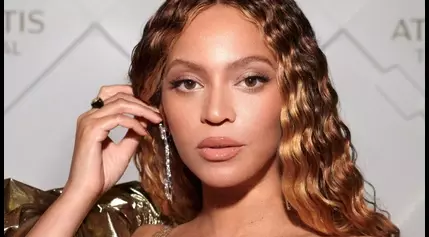
Beyoncé’s 11 Most Sensational Beauty Looks
Beyoncé Knowles-Carter is a pop icon who has consistently set new standards in her music, performan
Beauty Editors' Top Picks: July 2025 Must-Haves

Top NYFW Street Style Stars Just Co-Signed This ‘Controversial’ Manicure
The article highlights the key beauty trends seen on the streets of New York Fashion Week for the Sp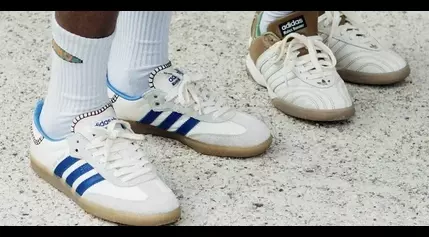
Best Footwear Trends at Paris Fashion Week Men’s SS25
The article discusses the best footwear trends spotted at Paris Fashion Week Men's SS25. Sneakers re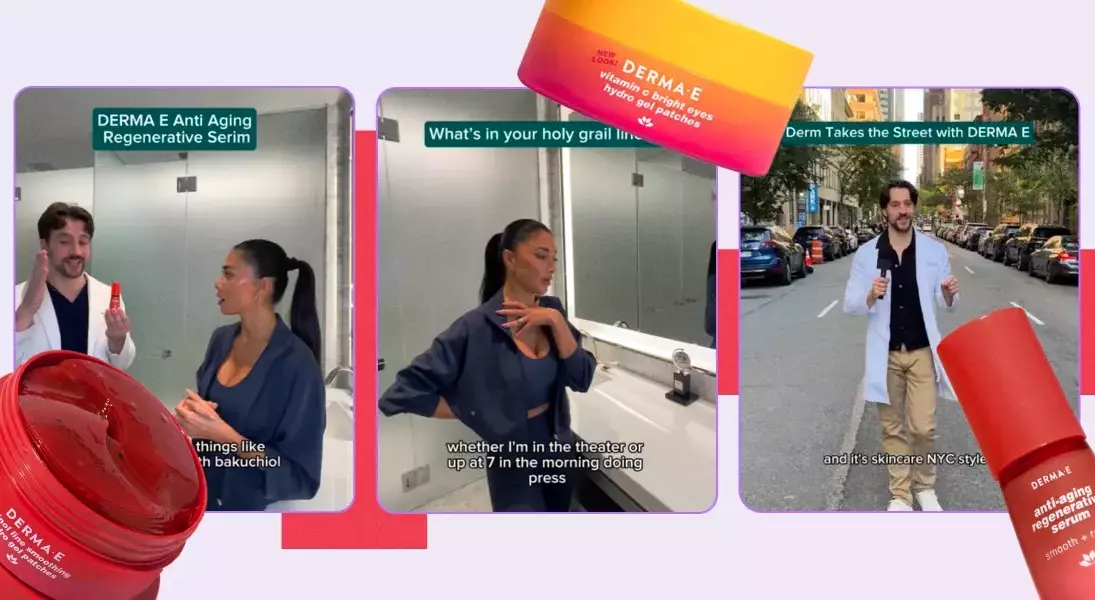
Derma-E's TikTok Strategy: Engaging a Younger Demographic with Star Power
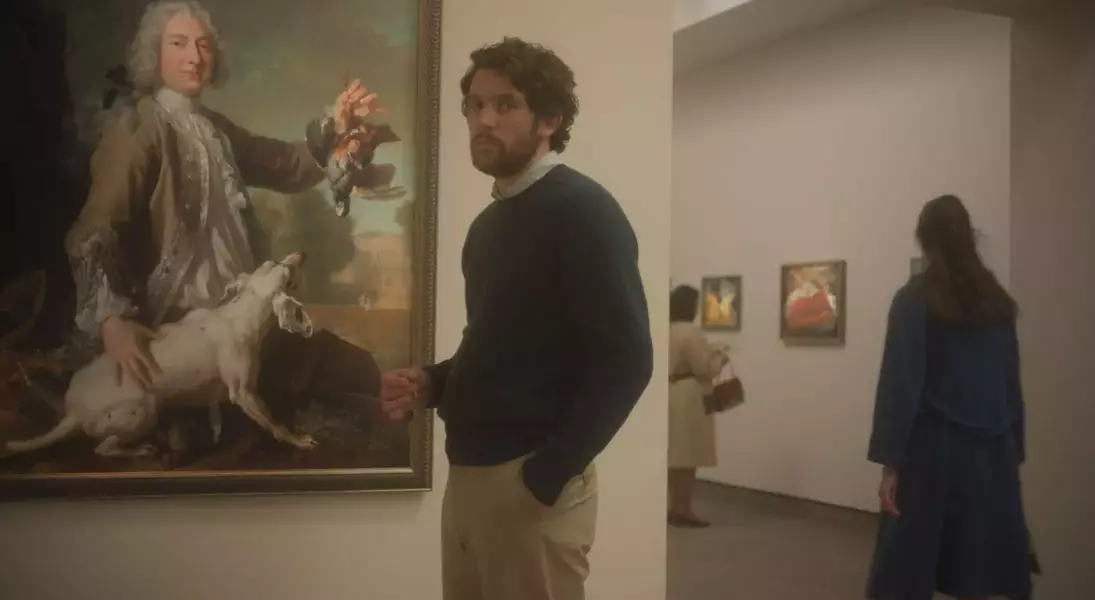
Josh O'Connor's Thriving Career and Upcoming Projects
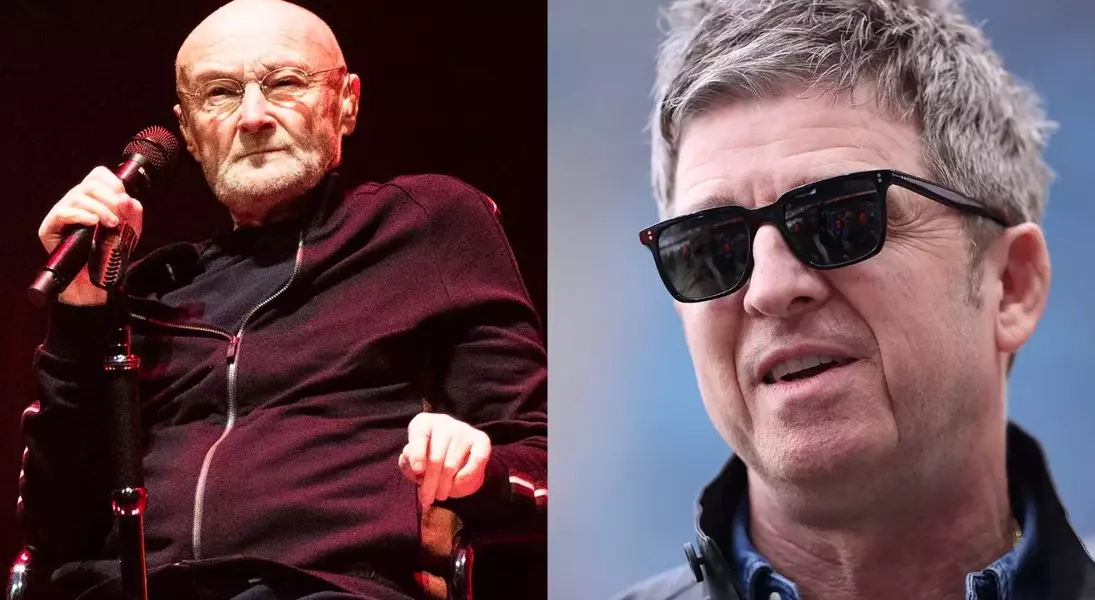
Collins Responds to Gallagher's Decades-Long 'Antichrist' Claims
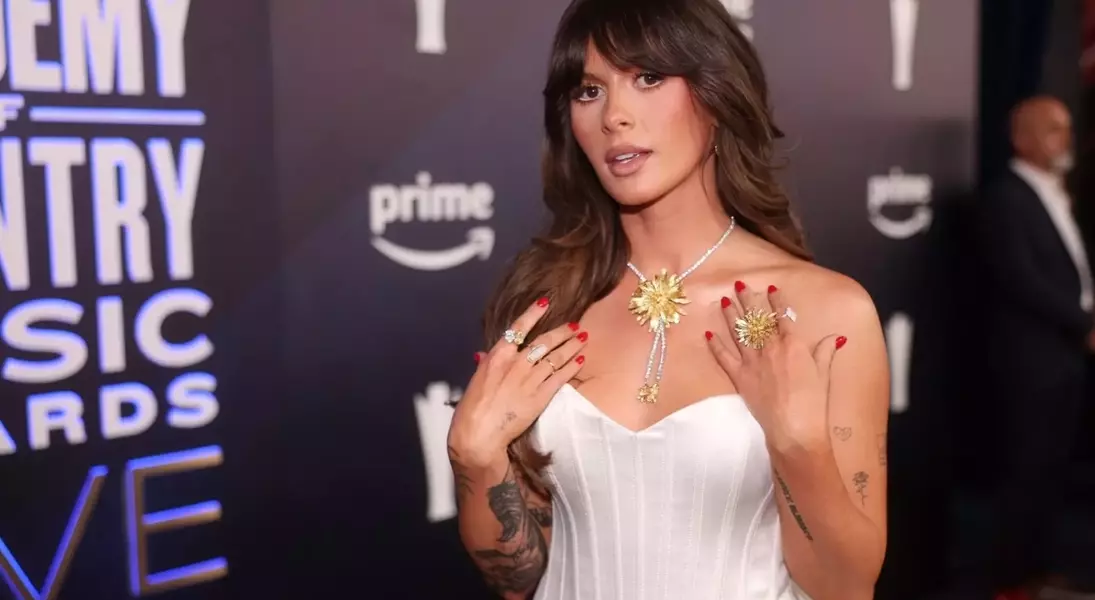
Ella Langley's 'Choosin' Texas' Ascends Charts, Approaching Record-Breaking Status
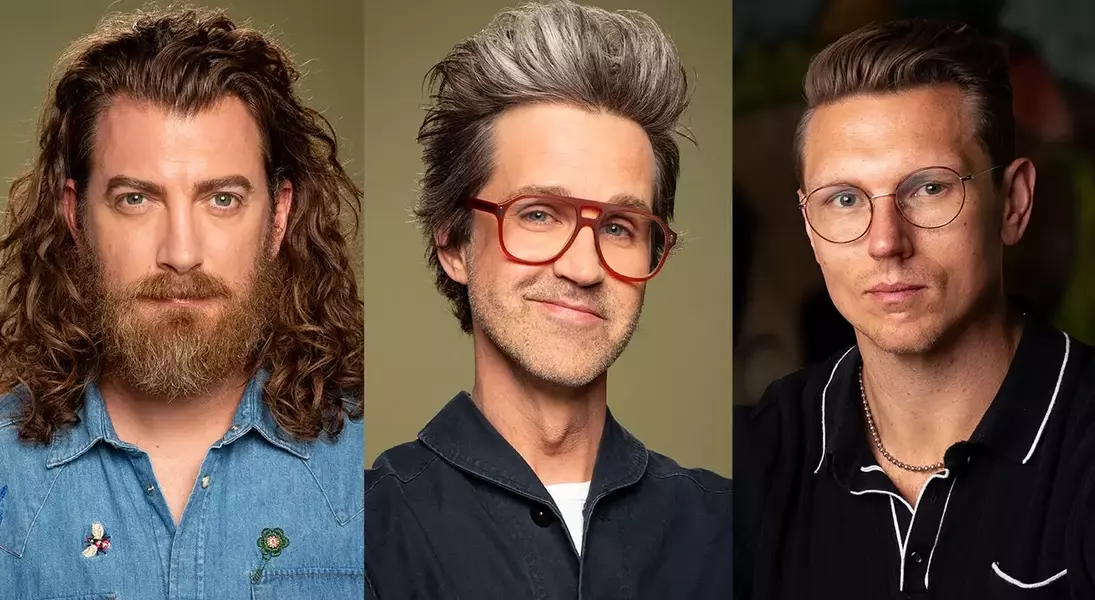
Netflix Secures Exclusive Deal with Popular YouTube Series 'Good Mythical Morning'
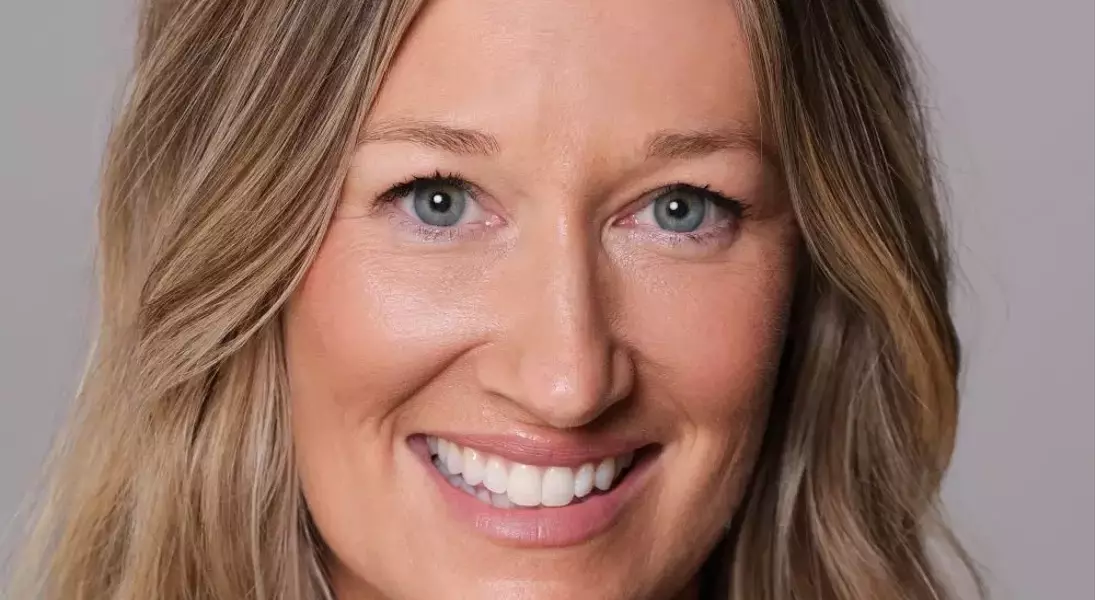
Tubi Appoints Shannon Olivas to Head Communications and Publicity
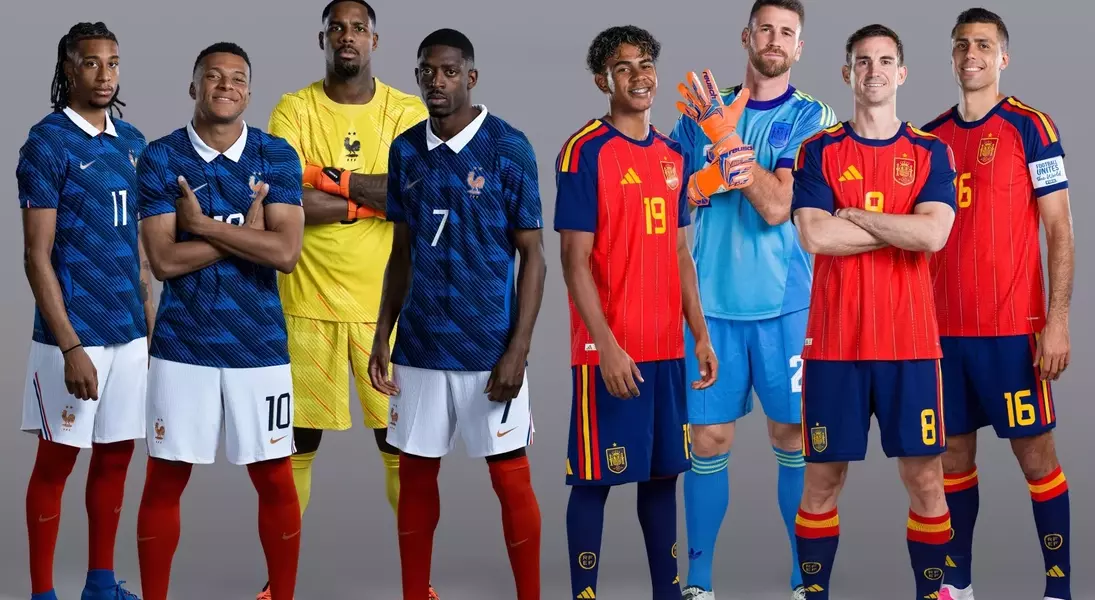
World Cup Semifinal: Spain vs. France - Live Stream Details
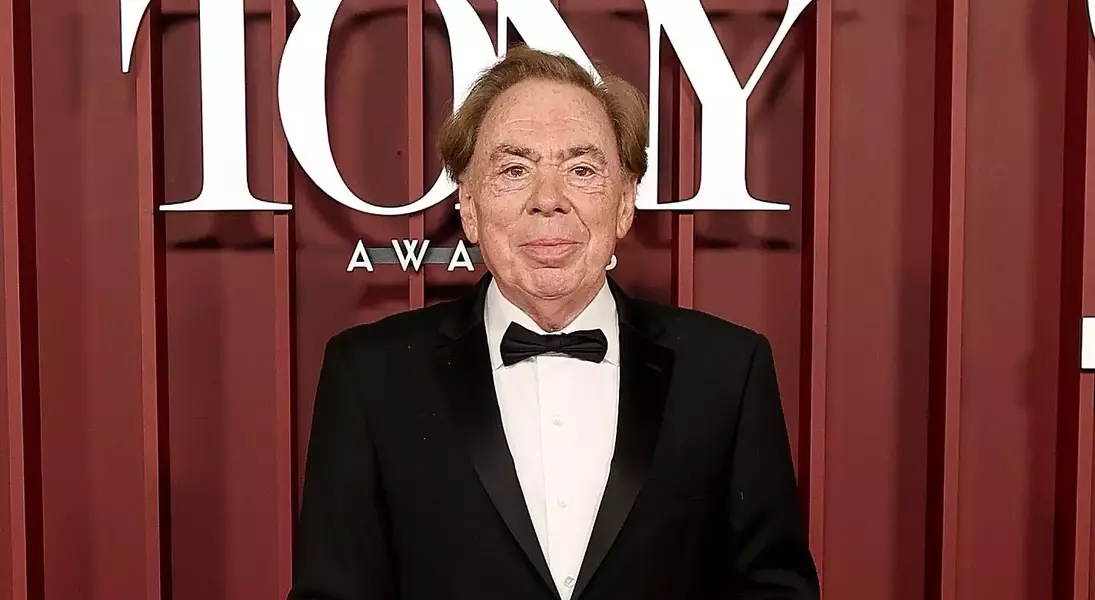
Andrew Lloyd Webber Addresses Broadway's Financial Straits After 'Cats' Early Closure
Apreo Secures 0 Million to Advance Emphysema Treatment Device to Pivotal Trial
Medicaid Work Requirements and the Future of Health Coverage
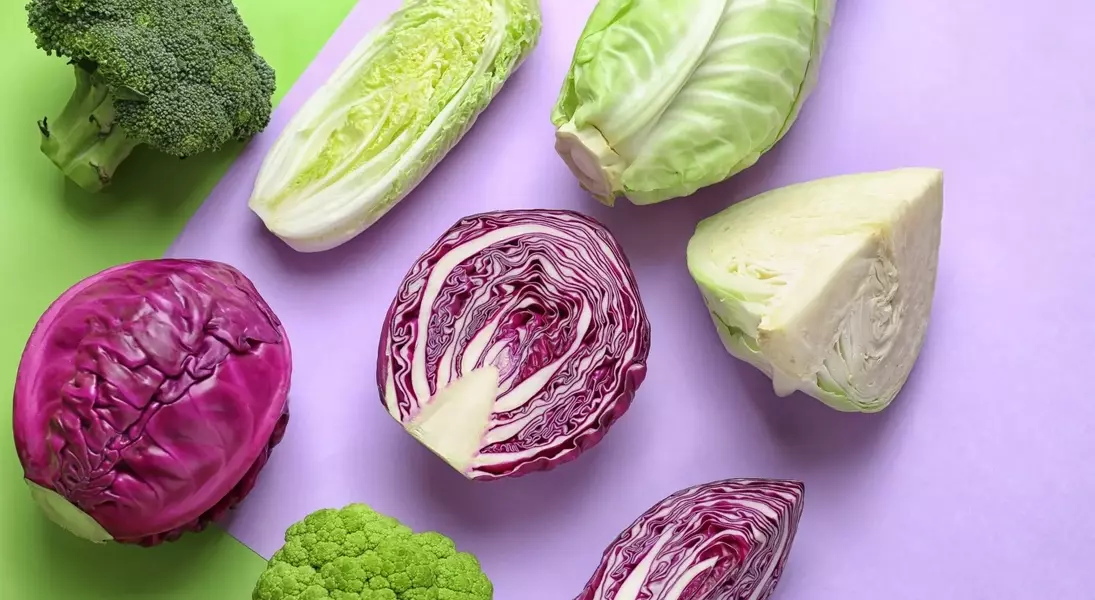
Cruciferous Vegetables Outperform Root Vegetables in Blood Sugar Control

The Political Dynamics of Medicare Drug Price Negotiation

Exploring Culinary Techniques: From Hari Chutney Spaghetti to Gourmet Sandwiches

Rams' Strategic Shift: Rethinking Offensive Formations for 2026 Season
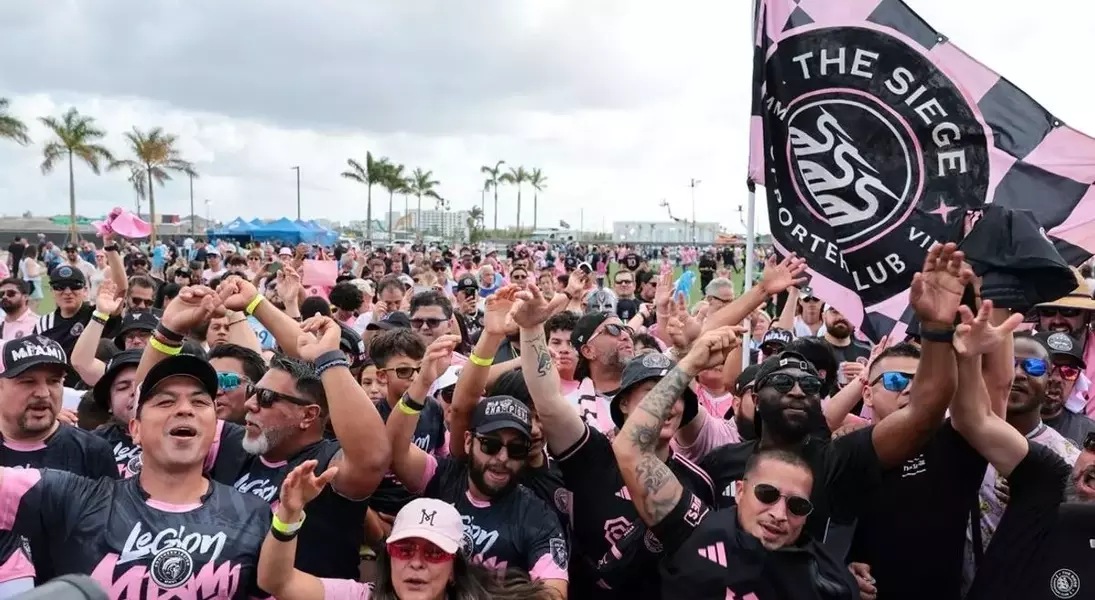
Inter Miami strengthens defense with Fricio Caicedo loan
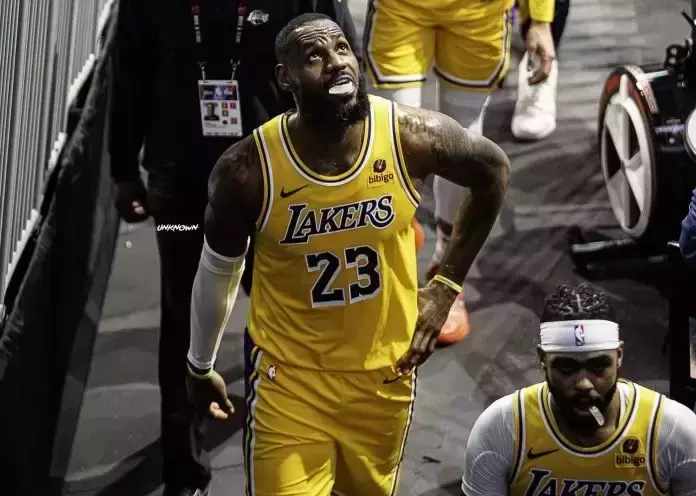
Cavaliers Leading Contenders for LeBron James' Return


