News
Tackling the Epidemic of Food Waste: Walmart's Dilemma and the Path Forward
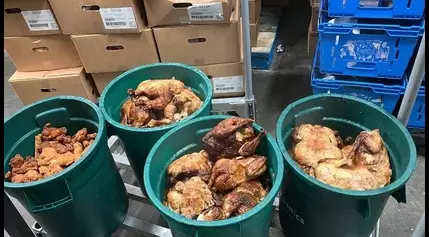
The food industry has long grappled with the issue of waste, a problem that has drawn increasing scrutiny from both customers and employees. One Walmart worker's revealing photos of deli food waste have shed light on the scale of this challenge, sparking a broader conversation about the need for more sustainable practices in the sector.Uncovering the Hidden Costs of Food Waste
The Humanitarian Toll
While Walmart and other major retailers have implemented food donation programs, the sheer scale of waste remains staggering. As one commenter pointed out, over 30% of food produced in the U.S. ends up in landfills, even as more than 12% of the population struggles with food insecurity. This stark contrast highlights the moral imperative to address food waste and redirect these valuable resources to those in need.The Financial Burden
Food waste also carries a significant financial cost for companies. When items are discarded, the resources invested in their production, transportation, and storage are effectively wasted. To offset these losses, many businesses are forced to raise prices on their remaining inventory, passing the burden on to consumers. This cycle perpetuates a system that is both economically and environmentally unsustainable.The Environmental Impact
The environmental toll of food waste is equally concerning. The land, water, and energy used to grow, process, and transport these discarded items represent a significant strain on our planet's resources. When this food ends up in landfills, it further contributes to greenhouse gas emissions and the degradation of our ecosystems.Walmart's Dilemma: Balancing Profit and Sustainability
Walmart's food donation program is a step in the right direction, but the photos shared by the Walmart worker reveal the ongoing challenges the company faces. The decision to discard hot deli items rather than explore alternative options, such as blast chilling or donating, highlights the tension between maintaining profitability and addressing the environmental and social consequences of food waste.Innovative Solutions: Empowering Consumers and Businesses
Fortunately, a growing number of innovative solutions are emerging to tackle the food waste crisis. Apps like Too Good To Go are enabling retailers to sell discounted items that would otherwise go to waste, providing customers with affordable options while reducing the environmental impact. Additionally, composting and animal feed programs offer alternative pathways for food that can no longer be sold or donated, further minimizing the waste stream.The Path Forward: Collaboration and Commitment
Addressing the food waste epidemic will require a multifaceted approach, involving collaboration between businesses, consumers, and policymakers. Companies must prioritize sustainable practices, explore innovative solutions, and be transparent about their progress. Consumers, in turn, can support these efforts by embracing new technologies and adjusting their purchasing habits. By working together, we can transform the food industry, reduce waste, and create a more equitable and environmentally responsible future.