News
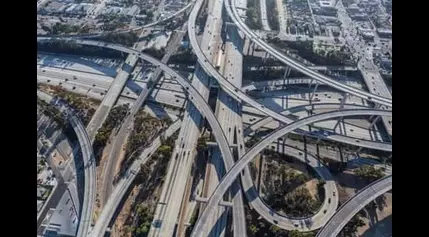
A Bold Vision: Los Angeles Aims to Revolutionize the 2028 Olympics with a Car-Free SpectacleLos Angeles, a city synonymous with gridlocked traffic and endless highways, is preparing to host the 2028 Olympics with a revolutionary twist. Mayor Karen Bass has pledged to make these Games a "no-car" event, challenging the city's long-standing car culture and setting the stage for a radical transformation.## Tackling the Logistical Challenges of a Car-Free Olympics### Overcoming LA's Sprawling LandscapeLos Angeles' expansive geography, spanning 469 square miles, poses a significant challenge for the city's public transportation system. Unlike compact host cities like Paris, getting around LA often requires multiple bus or train changes, discouraging the use of public transit. Officials must find ways to make the system more efficient and user-friendly to encourage residents and visitors to leave their cars at home.### Changing Mindsets and HabitsIn a city where the automobile has long been revered, convincing Angelenos to embrace alternative modes of transportation will be a cultural hurdle. Overcoming the deeply ingrained preference for personal cars and lengthy commutes will require a comprehensive public awareness campaign and the creation of seamless, attractive public transit options.### Leveraging Lessons from the 1984 OlympicsAs Los Angeles looks to the future, it is drawing inspiration from its past. The city's successful hosting of the 1984 Olympics, which were also largely car-free, provides a valuable playbook for the 2028 Games. By learning from the strategies and challenges of that era, LA can build upon the foundations laid decades ago and create an even more innovative and efficient transportation network.### Expanding the Public Transit NetworkOver the next four years, Los Angeles plans to open at least one new rail line annually, significantly expanding its public transit system. However, even with this growth, officials acknowledge that trains alone will not be enough to move the estimated 15 million visitors expected for the Olympics. The real heavy lifting will come from a massive influx of buses, with the city aiming to borrow 2,700 vehicles from surrounding areas to supplement its existing fleet.### Prioritizing Sustainable TransportationAligning with Mayor Bass's vision of a "greener" Los Angeles, the city's transit agency is focused on ensuring that the borrowed buses run on clean, environmentally friendly fuels such as natural gas or electricity, rather than diesel. This commitment to sustainability is a key component of the city's overall plan to reduce its carbon footprint and set a new standard for major sporting events.### Transforming Streets and InfrastructureTo accommodate the influx of buses, Los Angeles is investing in dedicated bus lanes, improved bus stops, and adjustments to curbs and other infrastructure. During the pandemic, the city experienced a surge in building bus-only lanes, and there are plans to create even more permanent and temporary lanes specifically for the Olympic Games. Additionally, the city is exploring ways to enhance pedestrian access and bicycle infrastructure, as well as the creation of mobility hubs where spectators can seamlessly transition between different modes of transportation.### Securing Funding and Completing ProjectsWith an estimated billion in funding secured for its transportation projects, Los Angeles is making significant progress, but still requires an additional billion to fully realize its vision. The city has identified 28 key projects it aims to complete by 2028, but currently, only 5% of these are finished. Securing the necessary funding and accelerating project timelines will be crucial to ensuring the city's transportation system is ready to host the world's premier sporting event.