Entertainment
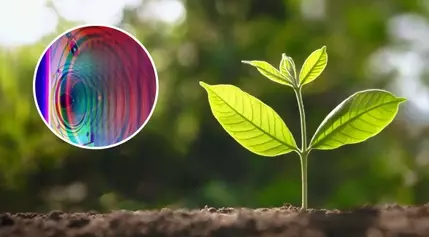
Unlocking the Secrets of Fungal Growth: How Noise Stimulates Plant-Promoting Fungi
The idea of music boosting plant growth has been around for many years, but a new study has found that monotonous noise stimulates a type of fungus that improves the growth of plants. Researchers have discovered that playing noise to petri dishes growing the soil fungus Trichoderma harzianum, which is used in farming to promote plant growth, protect plants from pathogens, and enhance soil health, can significantly increase the size and spore production of the fungi. This finding could have far-reaching implications for the future of sustainable agriculture and ecosystem restoration.Harnessing the Power of Sound to Revolutionize Plant Growth
The Surprising Discovery: Noise Boosts Fungal Growth
In a groundbreaking study published in the journal Biology Letters, researchers delved into the intriguing relationship between sound and the growth of the soil fungus Trichoderma harzianum. This fungus is widely used in agriculture to promote plant growth, protect plants from harmful pathogens, and enhance overall soil health. The researchers were curious to explore whether sound could have a significant impact on the fungus's development and performance.To their surprise, the researchers found that when they played a white noise track at a volume of 80 decibels (about the same as a lawnmower) for half an hour every day, the T. harzianum fungi exhibited a remarkable increase in biomass and spore production. This discovery suggests that the acoustic stimulation provided by the noise had a profound effect on the fungus, potentially unlocking new avenues for enhancing its plant-promoting capabilities.Unraveling the Mechanisms: How Sound Influences Fungal Growth
The researchers propose two possible explanations for the observed phenomenon. The first is the piezoelectric effect, where the sound waves are converted into an electrical charge that stimulates the fungi. This electrical stimulation may be the key to the fungi's enhanced growth and spore production.Alternatively, the researchers suggest that the sound waves may be affecting the mechanoreceptors on the fungal membrane, allowing the fungi to "feel" their surroundings and respond accordingly. This sensitivity to mechanical stimuli could be the driving force behind the fungi's remarkable response to the noise.While the exact mechanisms are still being investigated, the researchers are confident that this discovery holds immense potential for the future of sustainable agriculture and ecosystem restoration. By harnessing the power of sound to boost the growth and activity of plant-promoting fungi, farmers and land managers may be able to unlock new strategies for enhancing crop yields, improving soil health, and reducing the reliance on synthetic fertilizers and pesticides.Exploring the Potential: Implications for Sustainable Agriculture and Ecosystem Restoration
The researchers are excited about the possibilities that this discovery presents. They believe that by further exploring the relationship between sound and fungal growth, they may be able to develop innovative techniques that can be applied in real-world agricultural settings.One potential application could be the use of targeted acoustic stimulation in crop fields or nurseries to promote the growth and activity of T. harzianum and other beneficial fungi. This could lead to improved plant health, increased resistance to pests and diseases, and enhanced soil fertility, all while reducing the need for synthetic inputs.Moreover, the researchers envision the possibility of using acoustic stimulation to aid in ecosystem restoration efforts. By stimulating the growth and activity of plant-promoting fungi, they may be able to accelerate the recovery of degraded or damaged ecosystems, helping to restore the natural balance and resilience of these vital habitats.As the researchers continue to explore this fascinating field, they remain optimistic about the transformative potential of their findings. By harnessing the power of sound to unlock the secrets of fungal growth, they believe they can pave the way for a more sustainable and environmentally-friendly future in agriculture and beyond.